
Forest Schools/ Outdoor Learning
What is a Forest School?
Forest School is a long-term, learner-led approach to education that takes place in natural settings like woodlands or green spaces. Rooted in Scandinavian outdoor learning traditions and introduced to the UK in the 1990s, it encourages children to explore, take supported risks, and grow at their own pace.
Why does it matter?
With growing awareness of climate change and the need for outdoor learning, Forest School offers a powerful alternative to traditional classrooms. It supports emotional well-being, builds resilience, and helps children reconnect with nature—something increasingly vital in today’s screen-heavy world.
A Brief History
Modern Forest School in the UK began in the early 1990s, inspired by Danish outdoor nurseries. Practitioners from Bridgwater College brought the concept home and launched the first UK-based training. However, the ethos of learning through nature dates back centuries, when daily life was deeply connected to the land.
Forest School at the Deanery
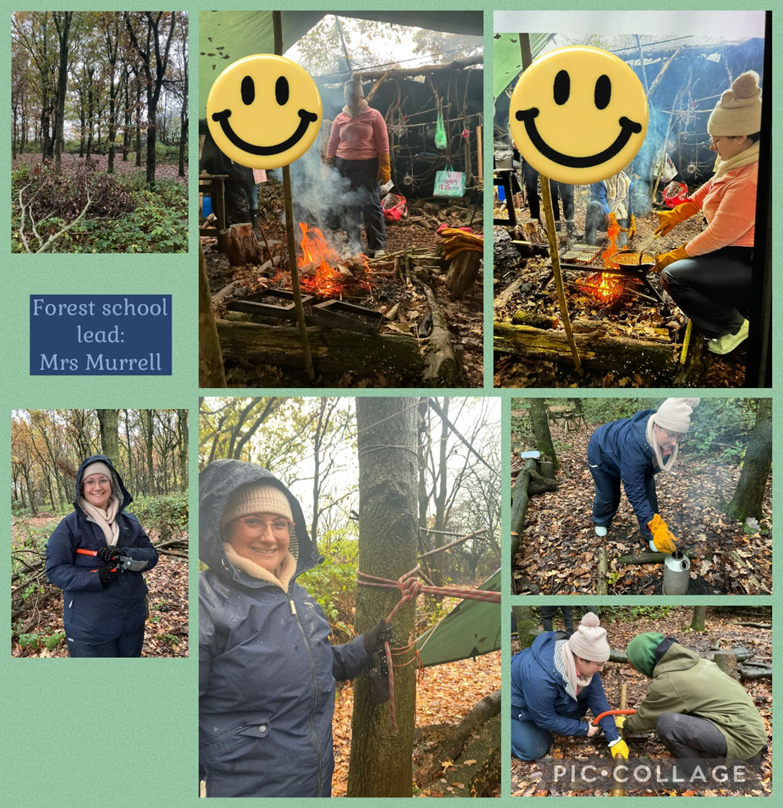
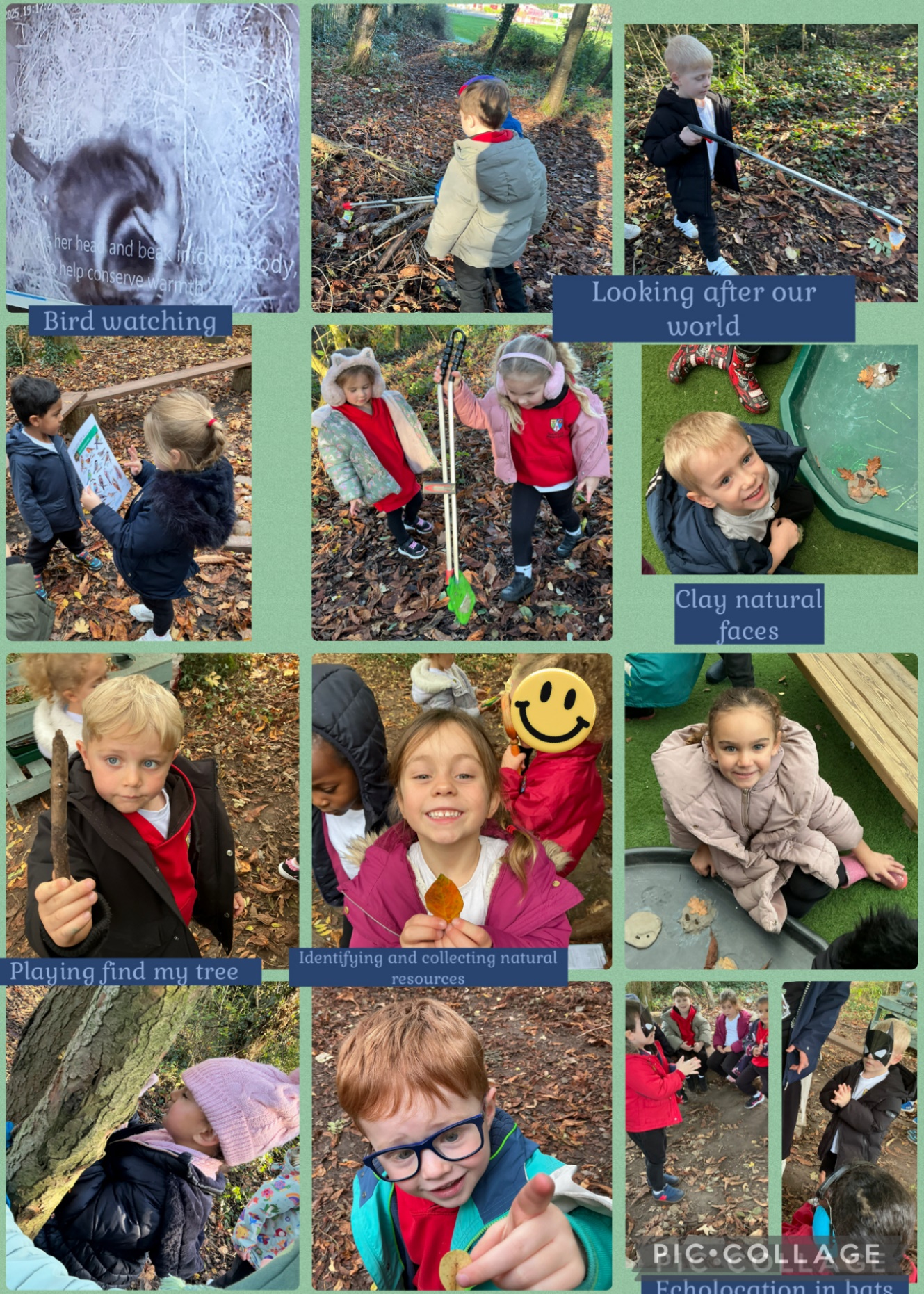
Our outdoor learning at Deanery C of E Primary School offers a calm, inclusive space where all children can thrive—especially those who find indoor environments challenging. We offer a range of activities embedded within forest schools core principles including offering pupils a unique opportunity to connect with nature, develop resilience, and grow in confidence through hands-on experiences in the outdoors. Rooted in a child-centred approach, Forest School encourages exploration, creativity, and independence in a safe and nurturing environment.
Through regular sessions in our natural outdoor spaces, pupils learn to take risks, solve problems, and work collaboratively. They develop practical skills such as tool use, shelter building, and fire safety, while also deepening their understanding of the natural world and their role within it.
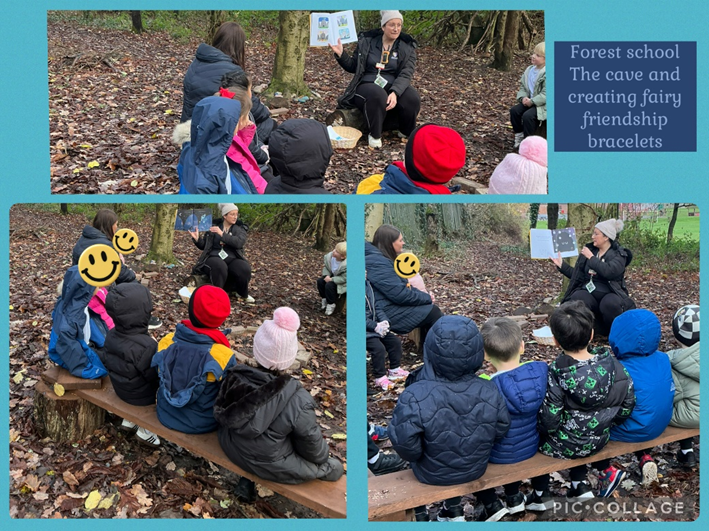
Forest School supports pupils’ emotional wellbeing, social development, and spiritual reflection. It provides a space for quiet contemplation, imaginative play, and meaningful connection with the environment. Pupils are encouraged to observe seasonal changes, care for living things, and reflect on their experiences in ways that foster respect and responsibility.
In the Early Years Foundation Stage, Forest School is woven into the curriculum to promote curiosity, independence, and the Characteristics of Effective Learning. Children are given the freedom to explore, investigate, and challenge themselves in ways that build confidence and prepare them for future learning.
Forest School at Deanery is more than outdoor learning—it’s an opportunity for discovery, growth, and connection. It nurtures a sense of wonder and encourages pupils to reflect spiritually on their place in the natural world, fostering gratitude, mindfulness, and a deep respect for creation.
Core Principles of Forest School
School practice is guided by six key principles:
- Long-term, regular sessions that follow a cycle of planning, observation, and review.
- Natural settings like woodlands that foster a deep connection with the environment.
- Learner-led experiences that adapt to each child’s interests and needs.
- Holistic development, nurturing confidence, creativity, and independence.
- Supported risk-taking, helping children assess and manage challenges safely.
- Qualified leaders who continuously reflect and improve their practice.
Flexible, inclusive and impactful
Forest School can be adapted to suit all ages and abilities, from Early Years to Key Stage 2 and beyond. Forest school enables confident, capable learners who feel connected—to themselves, to others, and to the world around them.
What does my child need?
https://downintheforest.co.uk/forest-school-kit-list/ provides useful information on what your child needs for these sessions.
Forest School sessions will take place in all weathers (barring storms) and therefore please ensure that pupils bring the following suitable clothing for all sessions:
|
Sturdy trainers, boots or wellies |
Socks |
Long trousers (even in summer months) |
Long sleeved top |
|
Warm jumper or hoodie |
Waterproof jacket |
Waterproof trousers |
Hat/ Gloves (Winter) Cap or hat (Summer) |
Please also send your child with a carrier bag for muddy footwear to be brought home in.